
Pools That Handle Daily Community Use
Commercial Pool Management in San Antonio for HOA and apartment complexes where water quality affects multiple households
Pools serving 50 to 200 households face chemical demands that differ entirely from residential maintenance because bather load—the number of people using the water daily—introduces contaminants faster than chlorine can neutralize them without precise adjustment. Northside Pool Management provides commercial pool management for HOAs and apartment complexes across North San Antonio, handling weekly chemical balancing, equipment maintenance, and compliance monitoring for facilities where a single service lapse creates complaints from dozens of residents. Community pools with volumes exceeding 200,000 gallons require commercial-grade chemical feeders and circulation systems sized to turn over the entire water volume every six hours rather than the twelve-hour cycles sufficient for residential pools.
Service includes testing and adjusting chlorine, pH, alkalinity, and cyanuric acid levels to handle the organic load introduced by multiple daily swimmers, inspecting pumps and filters that run continuously rather than on timers, and documenting compliance with health department standards that apply to public-use facilities. Multi-pool account coordination ensures that properties with separate pools for adults and children receive service on the same visit, reducing costs and maintaining consistent water quality across all facilities.
Arrange an on-site consultation to review your current equipment capacity and establish service protocols that match your facility's usage patterns.
Why Commercial Systems Need Different Protocols
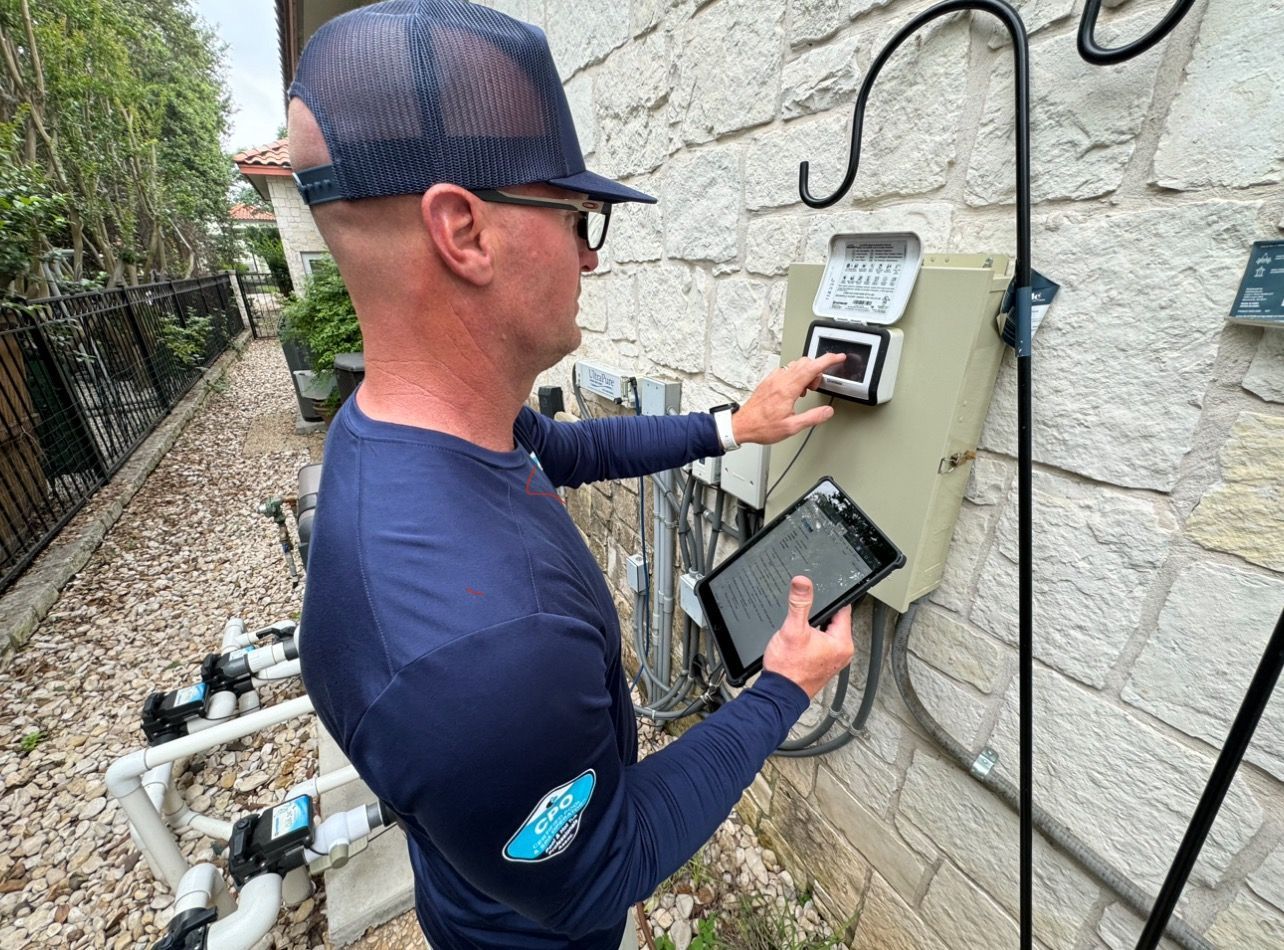
Commercial pool management involves testing water chemistry multiple times per week during summer peak use, maintaining chemical levels within tighter tolerances than residential pools because health inspections measure compliance against public facility standards, and inspecting safety equipment including ladders, drain covers, and signage that carry liability if they fail or go missing. Equipment sized for commercial use—pumps delivering 100 gallons per minute or more, filters handling flow rates that would destroy residential cartridges, and chemical feeders dispensing measured doses automatically—requires calibration checks that don't apply to simpler residential systems.
Properties notice water that remains clear despite heavy weekend use, fewer complaints about skin irritation or cloudy conditions, and equipment that operates reliably without the mid-season breakdowns that force pool closures during the hottest months when usage peaks. Documentation provided after each visit creates the service records required during health inspections, protecting property managers from citations that result when compliance history can't be demonstrated.
Service does not include lifeguard staffing, pool furniture maintenance, or facility cleaning beyond water chemistry and equipment operation. Properties with splash pads, lazy rivers, or interactive water features require separate evaluation because those systems involve additional pumps, filtration loops, and chemical demands beyond standard pool management.
Answers to Frequent Service Questions
Commercial properties have specific concerns about cost structure, compliance requirements, and how service scales across multiple facilities.
What equipment differences require specialized commercial pool management?
Commercial facilities use automatic chemical feeders that dispense chlorine and acid continuously based on flow rates, variable-speed pumps that adjust circulation based on usage levels, and sand filters large enough that backwashing requires dedicated waste lines—none of which appear in residential installations.
How does weekly service frequency change during peak summer months in San Antonio?
Properties with daily use exceeding 100 swimmers may need mid-week chemical checks in addition to standard weekly service, particularly during July and August when water temperatures stay above 88 degrees and sunlight degrades chlorine faster than cooler months allow.
What compliance monitoring does commercial pool management include?
Each service visit documents chemical readings, equipment operation status, and safety observations, creating the inspection-ready records that San Antonio health departments require when evaluating public pool permits during annual reviews or complaint-driven site visits.
How are multi-pool properties priced compared to single-facility service?
Properties with multiple pools receive coordinated service that costs less per pool than separate contracts because travel time and equipment setup happen once per visit, though total cost scales with combined water volume and equipment complexity across all facilities.
When should properties consider upgrading from weekly to twice-weekly service?
Facilities where weekend bather load exceeds 200 people, pools located under heavy tree canopy that introduces constant organic debris, or properties with repeated health department warnings about chemical compliance benefit from increased service frequency that maintains tighter control over water quality.
Northside Pool Management currently handles approximately 20 commercial pools across North San Antonio, with systems proven on facilities serving communities of 100 to 300 households. Contact us to schedule a facility assessment that identifies equipment capacity and establishes service intervals matched to your actual usage patterns.