
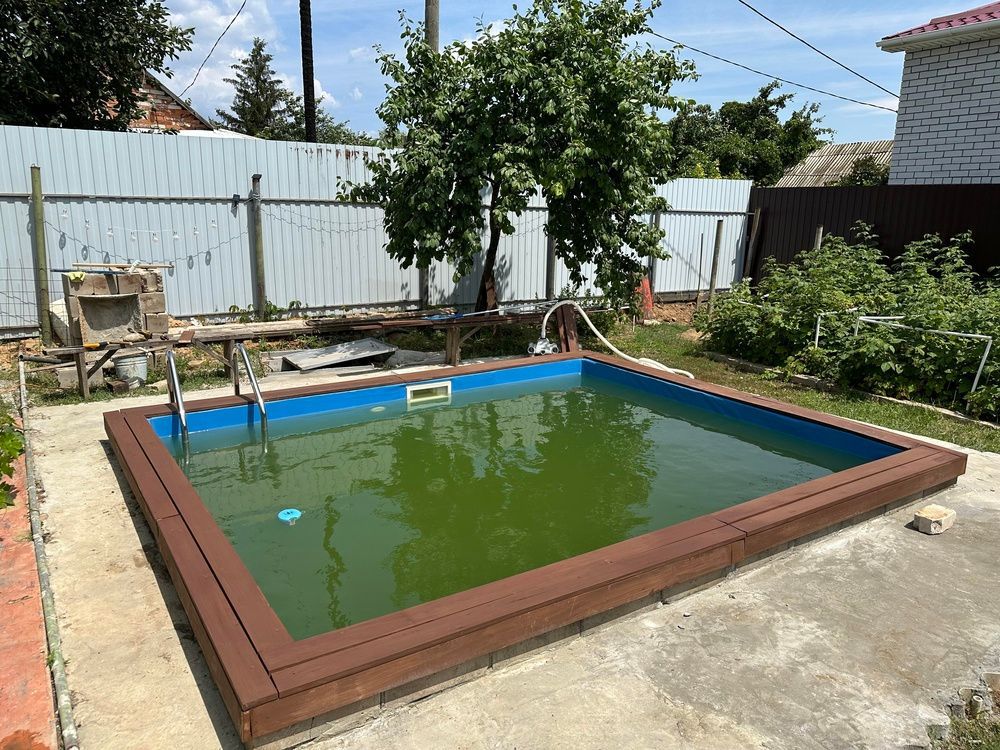
Algae Problems Solved in Two Days
Green-to-Clean Pool Recovery in San Antonio for pools where neglect or equipment failure allowed complete algae takeover
A pool turns green when chlorine drops to zero and algae spores—always present in water—multiply unchecked until billions of cells cloud every gallon and coat every surface with slick biofilm. Warm San Antonio temperatures accelerate this process, taking a pool from slightly cloudy to completely opaque green in less than a week during summer months when water stays above 85 degrees and sunlight fuels rapid algae growth. Northside Pool Management provides specialized green-to-clean recovery that transforms algae-filled pools back to clear, balanced water within two days through heavy algaecide treatment, circulation optimization, and multi-day monitoring that standard weekly maintenance doesn't include. You see documented visual proof of water transitioning from swamp-green opacity to crystal clarity as chemicals kill algae, filtration removes dead cells, and proper chemical balance prevents immediate regrowth.
The recovery process involves shocking the pool with chlorine levels ten times higher than normal swimming concentrations, adding copper-based algaecides that rupture algae cell walls, running circulation continuously for 48 hours to distribute chemicals and capture dead algae in the filter, and testing water multiple times daily to track when chlorine begins holding steady rather than being consumed by remaining organic matter. Equipment inspection identifies pump or filter failures that contributed to the algae bloom, preventing recurrence once water clears.
Schedule a property evaluation to assess current algae severity and determine whether your filter system can handle the cell debris volume that recovery produces.
How Recovery Addresses Complete Algae Blooms
Green-to-clean recovery differs from routine maintenance because algae concentrations require chemical doses that would be dangerous in balanced water, filtration systems work constantly under high debris load that clogs media and raises pressure, and water can't be used safely until chlorine drops back to normal levels and pH stabilizes after the extreme chemical addition. Day one involves heavy shocking and algaecide application with circulation started immediately; day two includes backwashing or cleaning filters clogged with dead algae, testing to confirm chlorine holds at measurable levels rather than dropping to zero overnight, and final pH adjustment to bring water into swimmable range.
After two days, water changes from opaque green to clear blue, surfaces lose the slippery algae coating that makes steps and benches hazardous, and chlorine test strips show stable readings that prove algae has been eliminated rather than just temporarily suppressed. Northside Pool Management documents the transformation with before-and-after images that show the visible difference recovery produces, useful for homeowners who need proof of work completed or property managers reporting to HOA boards.
Recovery service does not include equipment repairs if pumps or filters fail during the intensive circulation required, though inspection beforehand identifies systems unlikely to handle the two-day continuous operation. Pools with sand filters may need backwashing multiple times during recovery as algae debris clogs the media, while cartridge filters often require removal and pressure washing mid-process to maintain adequate flow.
What Property Owners Usually Ask
Homeowners facing green water want to know how the process works, how long until the pool is swimmable again, and what prevents the problem from recurring immediately.
What causes pools to turn completely green in San Antonio specifically?
Year-round warm water temperatures mean chlorine depletes faster than in cooler climates, and even brief equipment failures or missed chemical additions allow algae to establish quickly when sunlight remains strong enough to drive photosynthesis twelve months per year rather than the reduced winter sun that slows algae in northern regions.
How does the two-day timeline work from initial treatment to swimmable water?
Day one involves shocking with high chlorine doses and adding algaecide, then running circulation continuously while algae dies and releases into the water; day two includes filter cleaning to remove captured debris, testing to confirm chlorine remains stable, and final pH adjustment once water clears enough for accurate readings.
What equipment stress does recovery create that homeowners should know about?
Continuous 48-hour circulation pushes pumps and filters harder than normal operation, filters clog with algae debris that raises pressure and reduces flow, and older equipment with marginal seals or bearings may fail under the sustained load that intermittent daily operation doesn't reveal.
Can you swim immediately after water clears or does chemical residue require waiting?
Water must clear visibly and chlorine must drop below 5 ppm before swimming safely occurs, typically 12 to 24 hours after final chemical adjustment, though pH above 7.8 or residual algaecide copper concentrations may cause skin irritation even in clear water if you enter too soon.
What prevents the pool from turning green again right after recovery?
Establishing consistent weekly chemical maintenance after recovery keeps chlorine at levels that prevent algae spores from multiplying, while equipment inspection during recovery identifies pump or timer failures that contributed to the initial problem and need repair to avoid repeating the cycle.
Northside Pool Management has documented green-to-clean transformations across North San Antonio properties, with visual case studies showing the progression from algae bloom to clear water. Request an assessment to identify what your specific pool condition requires and whether equipment upgrades should accompany chemical recovery.