
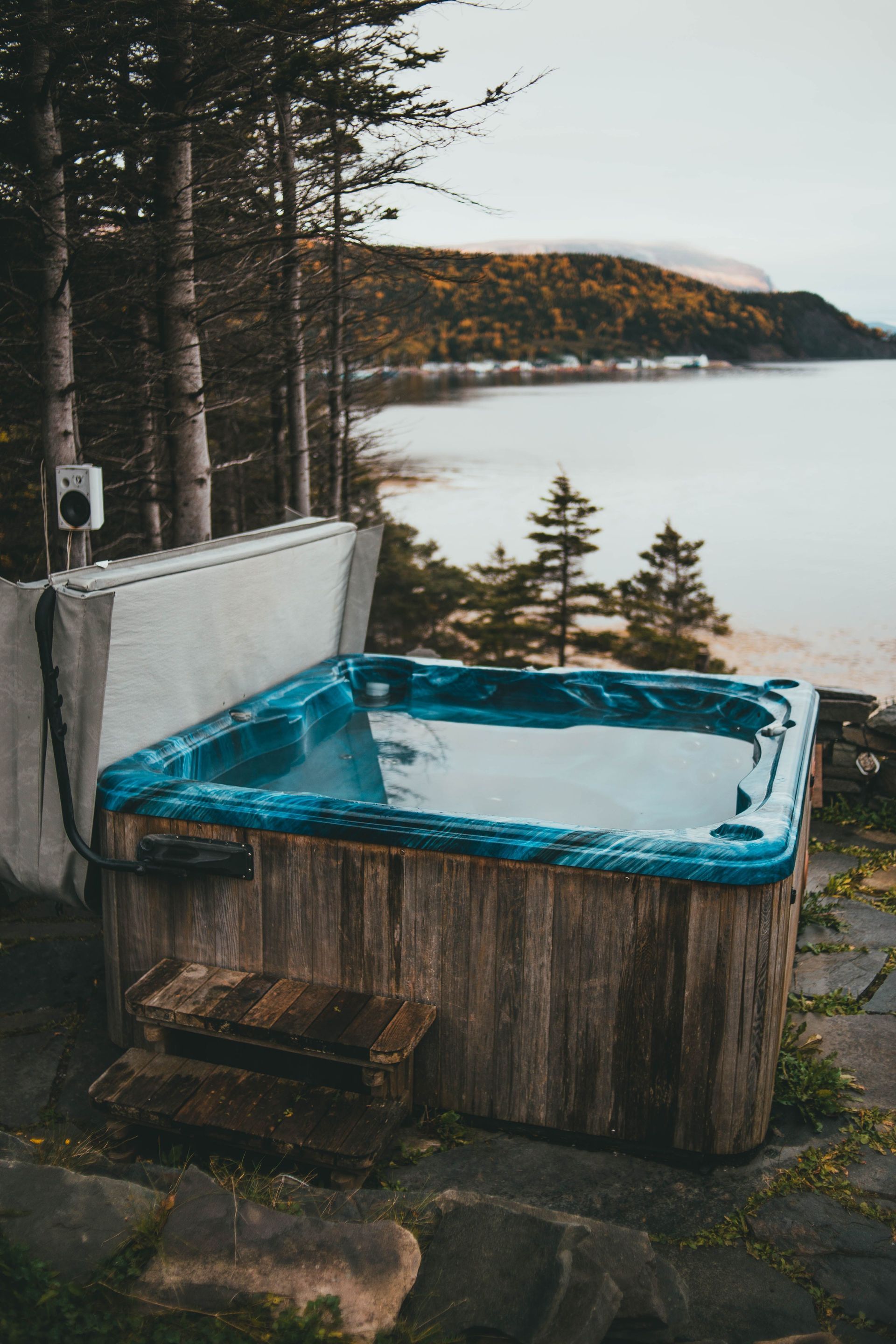
Small Water Volumes That Need Precise Chemistry
Hot Tub & Spa Maintenance in San Antonio for residential installations where concentrated bather load affects water quality faster than pool chemistry
Hot tubs and spas hold 300 to 500 gallons—roughly one-twentieth the volume of a typical residential pool—but operate at temperatures between 100 and 104 degrees that accelerate every chemical reaction, bacterial growth pattern, and equipment stress factor affecting water quality. Two people using a 400-gallon spa introduce the same organic load per gallon as forty people swimming in an 8,000-gallon pool, meaning sanitizer depletes faster, pH drifts more quickly, and contaminants reach problematic concentrations within days rather than the weeks typical in larger bodies of water. Northside Pool Management provides regular hot tub and spa maintenance including chemical balance, filter care, and equipment inspection specific to spa systems across North San Antonio, serving properties where spas operate as standalone features or alongside pools requiring integrated service visits that handle both water bodies efficiently.
Weekly maintenance includes testing and adjusting chlorine or bromine sanitizer, pH, alkalinity, and calcium hardness to levels appropriate for hot water chemistry, inspecting and cleaning filters that clog faster in spas than pools due to higher concentrations of oils and debris, and checking pumps, heaters, and jets for issues that affect circulation and heating efficiency. San Antonio's year-round warm weather means spas see consistent use rather than seasonal operation, requiring attention to chemical balance and equipment performance throughout the year.
Arrange an evaluation to assess your spa's current water chemistry and establish service intervals that match your usage frequency and whether the spa operates alongside pool systems.
What Proper Spa Care Involves
Spa maintenance protocols differ from pool service because higher water temperatures demand tighter pH control between 7.2 and 7.6 to prevent scale formation on heater elements, sanitizer consumption accelerates at rates requiring higher baseline concentrations than pool water, and filter cartridges trap oils and lotions that create pressure buildup within days rather than weeks. Each visit involves testing chemical levels with strips calibrated for hot water ranges, adding measured sanitizer and pH adjusters based on current readings, and removing filter cartridges for inspection and cleaning when pressure gauges show flow restriction from debris accumulation.
Properties with consistent spa maintenance notice water that remains clear and odor-free between uses, jets that maintain strong flow rather than weakening as filters clog, and heating systems that reach temperature efficiently without the extended run times caused by scale deposits restricting water flow through heat exchangers. When spas share property with pools, coordinated service from Northside Pool Management addresses both systems during single visits, reducing costs compared to separate service contracts while ensuring chemical protocols appropriate to each system get applied correctly.
Standard maintenance covers chemical balance, filter care, and equipment inspection but does not include shell cleaning, cover maintenance, or repairs to pumps, heaters, or control systems when those components fail. Spas requiring drain-and-refill service due to total dissolved solids accumulation or spas with cloudy water that doesn't respond to chemical adjustment need separate evaluation beyond routine weekly visits.
Questions Before Starting Your Project
Spa owners often have specific concerns about how hot water chemistry works differently than pool maintenance and what service frequency makes sense given usage patterns.
What chemical differences matter between spa maintenance and pool service?
Spas use higher baseline sanitizer concentrations because hot water accelerates chlorine breakdown, require more frequent pH adjustment because heat and aeration drive pH upward faster than pool water, and need calcium hardness monitoring to prevent scale formation on heater elements operating above 100 degrees continuously.
How often do spa filters need cleaning compared to pool filtration systems?
Spa cartridge filters typically require cleaning every two to four weeks during regular use because the small surface area captures concentrated debris from limited water volume, while pool filters handle larger volumes with proportionally more media area, allowing monthly or longer cleaning intervals.
When should spas be drained and refilled rather than maintained through chemical adjustment?
Total dissolved solids—minerals, chemicals, and contaminants that accumulate in water over time—eventually reach concentrations where chemical balance becomes difficult to maintain, typically requiring drain-and-refill service every three to four months for frequently used spas or twice yearly for occasional-use installations.
How does year-round San Antonio weather affect spa service needs compared to seasonal climates?
Consistent warm temperatures mean spas see regular use throughout the year rather than reduced winter operation, requiring continuous attention to chemical balance and equipment performance instead of the simplified winter protocols or complete shutdowns common in regions with freezing temperatures.
Can spa maintenance integrate with existing pool service contracts for properties with both?
Properties with spa and pool installations benefit from combined service visits where technicians handle both systems during single trips, reducing per-system costs while ensuring each water body receives protocols appropriate to its volume, temperature, and usage patterns.
Northside Pool Management integrates spa maintenance with pool service routes across North San Antonio residential properties, with systems proven on standalone spa installations and combined pool-spa properties requiring coordinated chemical management. Contact us to establish a maintenance schedule that addresses your spa's specific usage patterns and whether service should coordinate with existing pool maintenance contracts.